
KR Snyman (BPharm; MSc Pharmaceutics); I Laurens (BSc Med Sci, MSc Pharmacology)
The term “gut-skin-brain axis” has become increasingly more popular over the past decade. The research field has offered evidence on the way in which foods along with intestinal microbiota may affect the development of intestinal and skin conditions as well as neurological-psychiatric-psychological disorders. Human microbiota are known as a set of heterogeneous microorganisms which largely reside on the skin as well as in the gastrointestinal tract (GIT). The existence of human microbiota may be classified as beneficial, pathogenic or mutualistic. Factors such as diet, age, stress as well as disease may cause an increase or decrease in the relative abundance and diversity of bacteria species of the GIT. Studies demonstrate that a persistent imbalance of the gut’s microbial community – known as gut dysbiosis – commonly relates to conditions such as inflammatory bowel disease (IBD), irritable bowel syndrome (IBS), diabetes, obesity, cancer, cardiovascular as well as central nervous system (CNS) disorders. The common signs of gut dysbiosis are summarised in Figure1.

Studies demonstrate that the gut microbiota produce short chain fatty acids (SCFA) which affect the hosts intestinal homeostasis, energy balance, modulation of mucosal homeostasis of immune cells as well as the synthesis of some vitamins. Gut microbiota are known to play and important part in cross-talking between the gut and the brain through a bi-directional signalling mechanism – this is known as the “GUT-BRAIN AXIS” as seen in Figure 2.
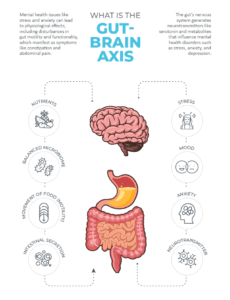
This intricate GIT eco-system plays a pivotal role in digestion, nutrient absorption, immune function, SKIN (skin-GUT axis) and even mood regulation. The gut microbiota appears to play an increasingly important role in the pathogenesis of obesity and associated diseases. The gut microbiota may also contribute to the development of obesity primarily by influencing dietary energy intake along with intestinal absorption of nutrients. The gut microbiota also provides the human host with benefits above and beyond energy extraction, including a reduction of low-grade chronic inflammation associated with obesity and metabolic syndrome. This allows for the GIT microbiota to be considered a promising target in the comprehensive dietary approach to the prevention and treatment of obesity, including weight loss and weight maintenance. A more diverse and abundant microbiota is associated with lower long-term weight gain. Gut bacteria are in constant contact with the nervous system and can influence appetite and satiety. Targeting gut microbiota with synbiotics (probiotic supplements containing prebiotic components) is emerging as a promising intervention in the comprehensive nutritional approach to reducing obesity. Correcting obesity-induced disruption of gut microbiota with synbiotics can be more effective than supplementation with probiotics alone as prebiotic components of synbiotics support the growth and survival of positive bacteria therein.
dermaV Pharmaceuticals have developed a unique range of gut centred products. dermaV’s scientifically formulated d.toxx™ range of products act synergistically through their active pharmaceutical ingredient (API) combinations to nourish and balance the gut, supporting digestion, immunity, and overall well-being. With Gut Centric products, not only is gut health improved; the body’s full potential for vitality and longevity is unlocked. The dermaV d.toxx™ range of Gut Centric products serves as the gateway to comprehensive health. This includes weight management, immune support, central nervous system, and skin health. Enhance skin and gut health while achieving weight goals by focusing on the digestive tract. The concept of “weeding, feeding and seeding” is a framework for promoting a healthy gut and microbiome as it involves a) “weeding”, reducing or eliminating factors that can harm the gut microbiome or promote the growth of harmful bacteria with the patented potentiated clinoptilolite (Absorbatox®), b) “feeding” or providing nourishment for the probiotics in the gut through the consumption of prebiotic-rich supplementation with the d.toxx™ SLIM DOWN and d.collagen, finally, c) seeding focuses on introducing / replenishing probiotics in the gut through the consumption of probiotic supplements in the d.toxx™ ProGUT. Incorporate d.toxx™ SLIM DOWN, d.toxx™ ProGUT, and d.collagen into your health routine and embark on a journey towards holistic wellness.
The journey to healthier skin, starts in the digestive system. d.collagen is a 90% pure hydrolysed collagen powder sourced from non-GMO bovine collagen, containing 18 essential amino acids. d.collagen is hypoallergenic and naturally free of dairy, gluten, sugar, and fat – no added flavours or preservatives. Collagen has many benefits which include supporting skin elasticity and hydration, improve nail resilience and strength, improve hair vitality, support joint well-being, beneficial for digestive health and nourishing a healthy gut microbiome as well as supporting muscle strength.
d.toxx™ SLIM DOWN contains Orafti® L85LL Inulin, fulvic acid and apple cider vinegar. Inulin is a uniquely functional form of dietary fibre derived from chicory. The unique combination of fulvic acid and apple cider vinegar aids in creating an environment where a healthy gut microbiome can thrive and enhance the effect of probiotics. Inulin aids to control blood sugar levels, good digestion and weight control. Inulin also aids in increased bone-building calcium absorption and acts as a prebiotic. Apple cider vinegar aids with weight loss and reducing cholesterol. Fulvic acid has anti-inflammatory and antioxidant properties. Fulvic acid helps improve mineral uptake.
d.toxx™ ProGUT is intended to assist in the maintenance of a healthy balance of gut microbiota, which is required for optimal skin health, creating metabolic and immune homeostasis. The gut and skin enjoy a constant connection known as the “GUT-SKIN-AXIS”. d.toxx™ ProGUT contains good live bacteria which promote a healthy gut microflora. The unique combination of Absorbatox® with magnesium is able to reduce symptoms of stomach discomfort and bloating. Absorbatox® Mg CEC 2.8 FO creates an environment ideal for beneficial gut bacteria and is effective in relieving symptoms of diarrhoea, bloating as well as the symptoms associated with an overindulgence. Absorbatox® Mg CEC 2.8 FO assist with optimal muscle performance and recovery while strengthening the immune system. Probiotics promote a healthy digestive tract and health immune system.
The GUT Biome plays a significant role in normalising absorption of amino acids, sugars as well as vitamins. Sustaining this biome, pro-biotics and organic acids assist in creating the optimal environment i.e. “feeding” the biome while ad- and absorbing agents bind the unwanted elements and allows for additional binding sites to unwanted organisms while preventing colonisation of the GUT.
References
- Mahmud, R.M., Akter, S., Khanam Tamanna, S., Mazumder, L., Esti, I.Z., Banerjee, S., et al. Impact of gut microbiome on skin health: gut-skin axis observed through the lenses of therapeutics and skin diseases. Gut Microbes; 14:e2096995.
- Schiopu, C.G., Stefanescu, C., Bolos, A., Diaconescu, S., Gilca-Blanariu, G.E. & Stefanescu, G. 2022. Functional gastrointestinal disorders with psychiatric symptoms: involvement of the microbiome–gut–brain axis in the pathophysiology and case management. Microorganisms; 10:2199.
- Schönfeld, P. & Wojtczak, L. 2016. Short- and medium-chain fatty acids in energy metabolism: The cellular perspective. J Lipid Res; 57(6):943–954.
- toxx™. Vol 1 2024. Data on File: dermaV Pharmaceuticals
- Belizário, J.E. & Faintuch, J. 2018. Microbiome and Gut Dysbiosis. Exp Suppl; 109:459-476.
- Michael, D.R., Davies, T.S., Jack, A.A., Masetti, G., Marchesi, J.R., Wang, D., Mullish, B.H. & Plummer, S.F. 2021. Daily supplementation with the Lab4P probiotic consortium induces significant weight loss in overweight adults. Scientific reports; 6:11(1):5.
- Batsis, J.A., Apolzan, J.W., Bagley, P.J., Blunt, H.B., Divan, V., Gill, S., Golden, A., Gundumraj, S., Heymsfield, S.B., Kahan, S. & Kopatsis, K. 2021. A systematic review of dietary supplements and alternative therapies for weight loss. Obesity; 29(7):1102-1113.
- Visuthranukul, C., Chamni, S., Kwanbunbumpen, T., Saengpanit, P., Chongpison, Y., Tepaamorndech, S., Panichsillaphakit, E., Uaariyapanichkul, J., Nonpat, N. & Chomtho, S. 2022. Effects of inulin supplementation on body composition and metabolic outcomes in children with obesity. Scientific Reports; 12(1):13014.
- Li, L., Li, P. & Xu, L. 2021. Assessing the effects of inulin‐type fructan intake on body weight, blood glucose, and lipid profile: A systematic review and meta‐analysis of randomized controlled trials. Food science & nutrition; 9(8):4598-4616.